 SOLITAIRE
 HALO
 PAVÉ
 HIDDEN HALO


Natural vs Lab-Grown
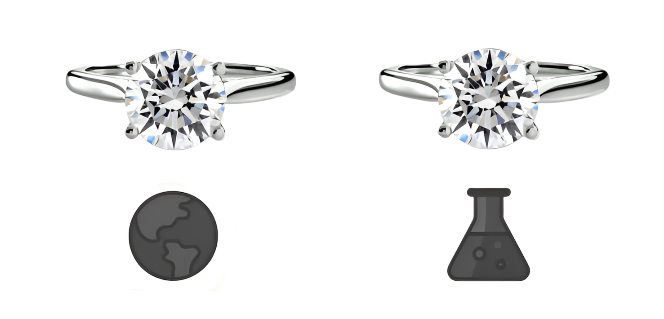
Fundamental Differences
Natural and lab-grown diamonds represent two paths to the same spectacular result—identical physical, chemical, and optical properties. Natural diamonds formed in the Earth over billions of years, creating unique geological histories. Lab-grown diamonds are created in controlled conditions in just a few weeks, using the same processes. Both have identical hardness of 10, chemical composition (pure carbon), and exhibit identical brilliance. The only difference is their origin—one carries the Earth's history, the other represents the pinnacle of technology. At Flinstone, we offer a full range of 0.2-15 carats in both categories.
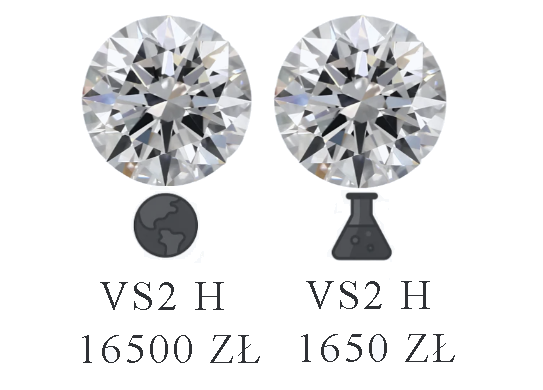
Quality and Performance Comparison
In terms of quality and optical performance, both types can achieve the highest standards, but they have unique characteristics. Natural diamonds contain fascinating inclusions that tell the story of their formation - these 'fingerprints' make each stone absolutely unique. Laboratory-grown diamonds, thanks to controlled conditions, often achieve higher clarity and better parameters, resulting in a more intense sparkle. Both undergo identical certification processes by GIA, IGI, and HRD. Natural diamonds offer geological uniqueness, while laboratory-grown diamonds guarantee predictable perfection. Both will look spectacular - the choice depends on preferences: natural imperfections or technological perfection.
Making the Right Choice For Your Love Story
The choice between a natural and a lab-grown diamond is a deeply personal decision, reflecting your values and vision for the future. Couples who value tradition and history often choose natural diamonds as a metaphor for the enduring nature of love. Young, conscious couples prefer lab-grown diamonds, appreciating their ethical origin and financial benefits. There's no wrong choice – both are real diamonds that will sparkle a lifetime. At Flinstone, we don't favor one option over the other – we educate and help you find the perfect diamond for your love story.